Why every “top attractions in Korea” list is wrong
4 min read · every number from 한국관광 데이터랩
![Gyeongju Bulguksa Temple [UNESCO World Heritage] (경주 불국사 [유네스코 세계유산])](/_next/image?url=https%3A%2F%2Ftong.visitkorea.or.kr%2Fcms%2Fresource%2F03%2F2678603_image2_1.jpg&w=3840&q=75)
The Korea Tourism Data Lab publishes a remarkable dataset: the 100 destinations Koreans most often punch into their car navigation. It is the closest thing that exists to a ground truth of where the country actually goes. And it demolishes every “top attractions” listicle on the internet.
18/20
of the top 20 “attractions” are shopping malls or department stores
69/100
of the full top 100 are shopping destinations
10/100
are actual nature or heritage sites
The single most-navigated “tourist destination” in Korea is Starfield Hanam — a mall. So are the next four. The first genuine heritage site doesn't appear until deep in the list: Bulguksa Temple at #61, Jeonju Hanok Village at #78.
What this means for your trip
First: domestic navigation traffic is not a guide to what's worth seeing — it's a guide to weekend errands. When a blog ranks places “by popularity,” this is the popularity it measures.
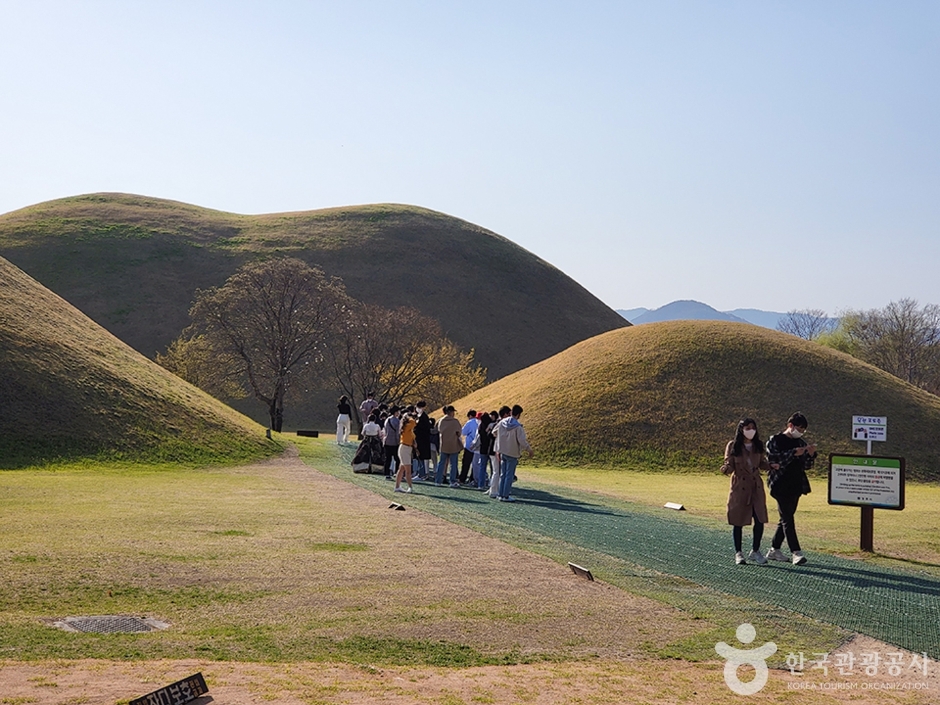
Second, and more useful: the actual heritage sites — the tomb mounds of Gyeongju, the cliff temples of Jinan, the bamboo forests of the south — are dramatically less visited than their fame suggests. The crowds are at the outlet mall. The thousand-year-old temple is quiet on a Tuesday. That asymmetry is the entire opportunity this site is built on: our city guides rank those real places by how calm they actually are.