Gyeongju or Jeonju? Korea's two history towns, by the numbers
5 min read · every number from 한국관광 데이터랩
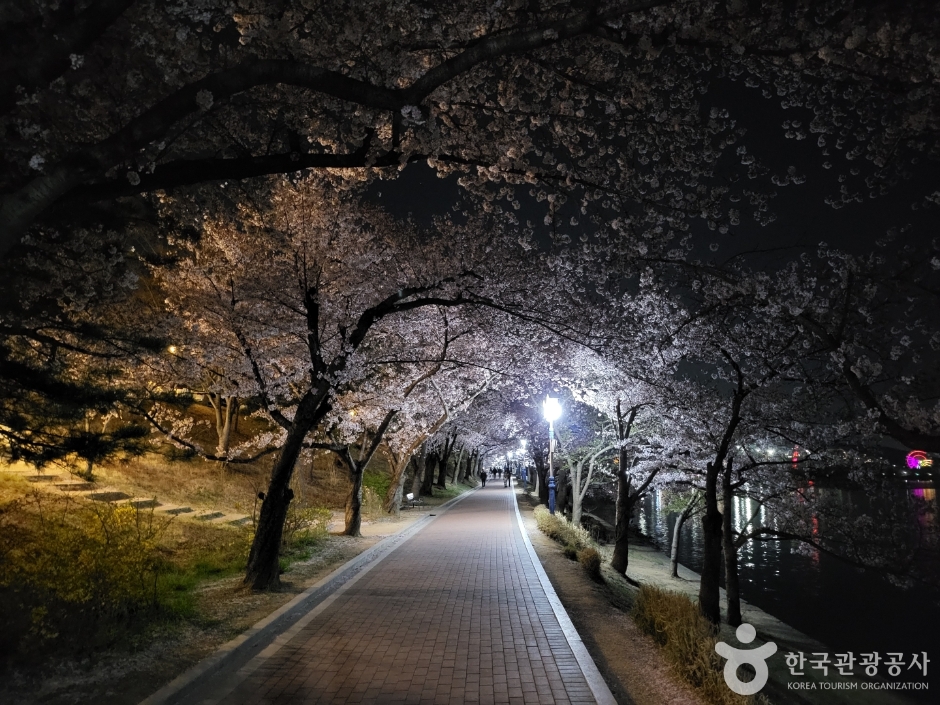
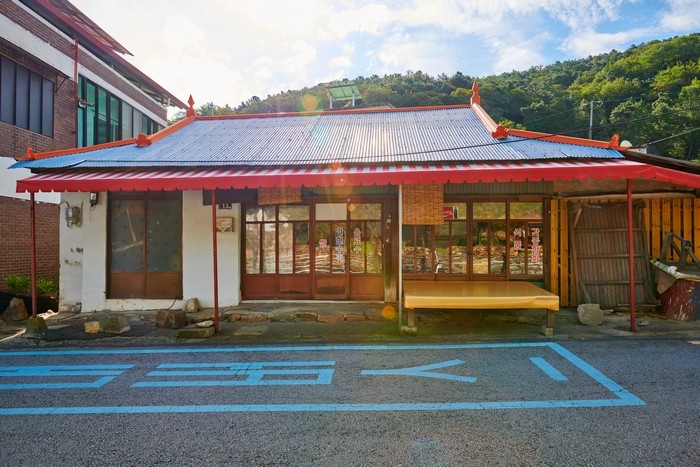
Every first-time visitor with an interest in old Korea faces the same fork: Gyeongju, the millennium-old Silla capital in the southeast, or Jeonju, the hanok-village food town in the southwest. The visitor-demographics data gives an unusually clear answer — they are different kinds of places attracting different crowds.
63 places
tracked in Gyeongju — tombs, temples, observatories, palace ponds
29 places
tracked in Jeonju's Wansan district — the Hanok Village quarter
Gyeongju: depth and quiet
Gyeongju's profile skews decisively older — its quietest major site, 화랑의언덕, draws 90.2% of its visitors from Koreans aged 50 and up, the demographic that avoids queues and travels on weekdays. Its attractions spread across an entire valley, so even in October the crowds dilute. If your idea of travel is walking among royal tombs at dusk with nobody around, this is your town.
Jeonju: energy and appetite
Jeonju is the opposite trade. Its busiest spot, 최명희문학관, runs 42.9% twenty-and-thirty-somethings — hanbok rentals, street food, cameras out. It's genuinely fun, and the bibimbap is real. But it is one dense district, and on weekends it is full. Go for the food and the buzz, stay one night, and step two streets off the main drag — the quiet, older hanok neighborhoods are right there.
The data's verdict
Slow traveler with a history habit: Gyeongju, two or three nights. Food-first traveler on a tight itinerary: Jeonju, one night, weekday if possible. Doing both is the correct answer if you have the days — see each town's full ranking in the city guides.